
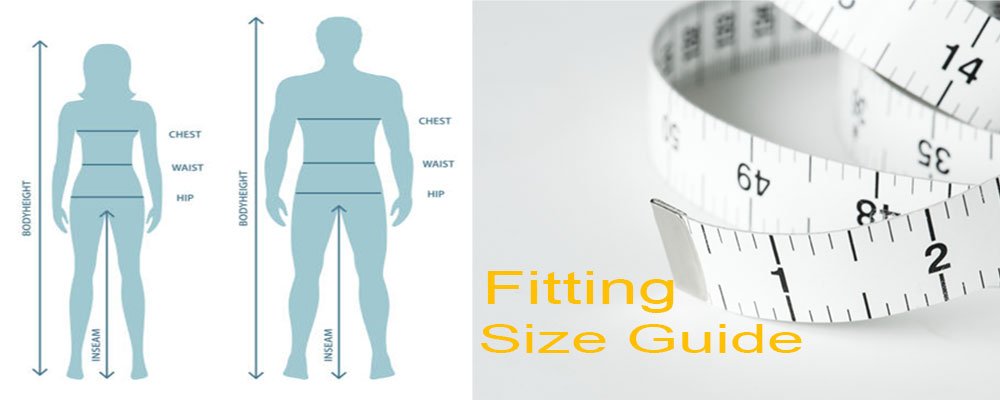
When it comes to fitting a motorcycle race suit, proper size and fit are crucial for both comfort and safety. Here’s a guide on how to measure and choose the right size for a motorcycle race suit:
Key Measurements
- Chest: Measure around the fullest part of your chest, under the armpits, and over the shoulder blades.
- Waist: Measure around the narrowest part of your waist.
- Hips: Measure around the fullest part of your hips.
- Inseam: Measure from the crotch to the bottom of your leg.
- Arm Length: Measure from the shoulder to the wrist, keeping the arm slightly bent.
- Height: Your overall height from head to toe.
Fitting Tips
- Snug Fit: A race suit should fit snugly but not too tight. It should allow for a full range of motion without any restriction.
- Protection: Ensure that the armor (shoulder, elbow, knee, and back protectors) sits correctly over the joints.
- Comfort: There should be no pinching or excessive pressure points when you’re in a riding position.
- Break-in Period: Keep in mind that leather suits will stretch and mold to your body over time, so they might feel a bit tight initially.
- Layering: Consider the type of undergarments you’ll wear. Base layers can affect the fit slightly.
Standard Sizing Chart (Example)
Sizes can vary between manufacturers, so always refer to the specific brand’s sizing chart. Here’s a general idea:
| Size | Chest (cm) | Waist (cm) | Hips (cm) | Height (cm) |
|---|---|---|---|---|
| 46 | 88-92 | 76-80 | 86-90 | 166-170 |
| 48 | 92-96 | 80-84 | 90-94 | 170-174 |
| 50 | 96-100 | 84-88 | 94-98 | 174-178 |
| 52 | 100-104 | 88-92 | 98-102 | 178-182 |
| 54 | 104-108 | 92-96 | 102-106 | 182-186 |
| 56 | 108-112 | 96-100 | 106-110 | 186-190 |
Custom Fit
For a perfect fit, many riders opt for custom-made suits. This involves providing precise measurements to the manufacturer, which will then tailor the suit specifically for your body shape. Custom suits often come with additional options for personalized features and colors.
Additional Considerations
- Stretch Panels: Ensure the suit has stretch panels in key areas (e.g., arms, knees) to aid movement and flexibility.
- Ventilation: Look for perforated leather or mesh panels if you ride in hot climates.
- Zippers and Closures: High-quality zippers and secure closures are essential for durability and safety.
- Weight: Lighter suits can be more comfortable, but they should still offer robust protection.
Regularly trying on and adjusting your race suit ensures it continues to fit well as your body changes and the suit breaks in. This is particularly important for maintaining safety and comfort on the track.